.png)


This blog explains that the period between a car accident and vehicle towing is one of the most dangerous phases, emphasizing the importance of safety, visibility, and using trained towing professionals.

Most people picture the tow truck as the calm after the storm has passed. You’ve had an accident, the adrenaline is still rushing through you, but it’s finally starting to settle. Police might be on the scene, maybe traffic is backing up, and then the tow truck shows up like the final step in a process that’s already winding down.
From the outside, everything looks under control. After more than two decades serving the Winchester area, we can say pretty confidently that it’s not always that simple. One thing people don’t always realize is how dangerous that moment actually is, not just for drivers, but for the person hooking up the vehicle. Tow operators face one of the highest fatality rates in any transportation job, around 43 deaths per 100,000 workers. That’s a number we want no part of.
First Things First: Don’t Rush the Tow
On average, a tow operator is killed every six days in the U.S. Sometimes everything about the call seems routine, but then something unexpected happens. If you’ve just been in an accident, or you’re thinking about what you’d do if you get into one, it’s worth slowing this part down mentally. That stretch of time between the accident and the tow? That’s where a lot of things can still go wrong.
From the outside, once the crash happens, it feels like the worst is over. There’s often this urge to clear the road as fast as possible. It makes sense. You’re shaken, maybe embarrassed or worried about blocking traffic. However, rushing the tow is where a lot of secondary problems begin.
Secondary collisions, that’s when another car hits the original accident scene, aren’t rare. In fact, they increase insurance costs by over 30%, which tells you how messy things can get. And they tend to happen in the exact window when a vehicle is being recovered.
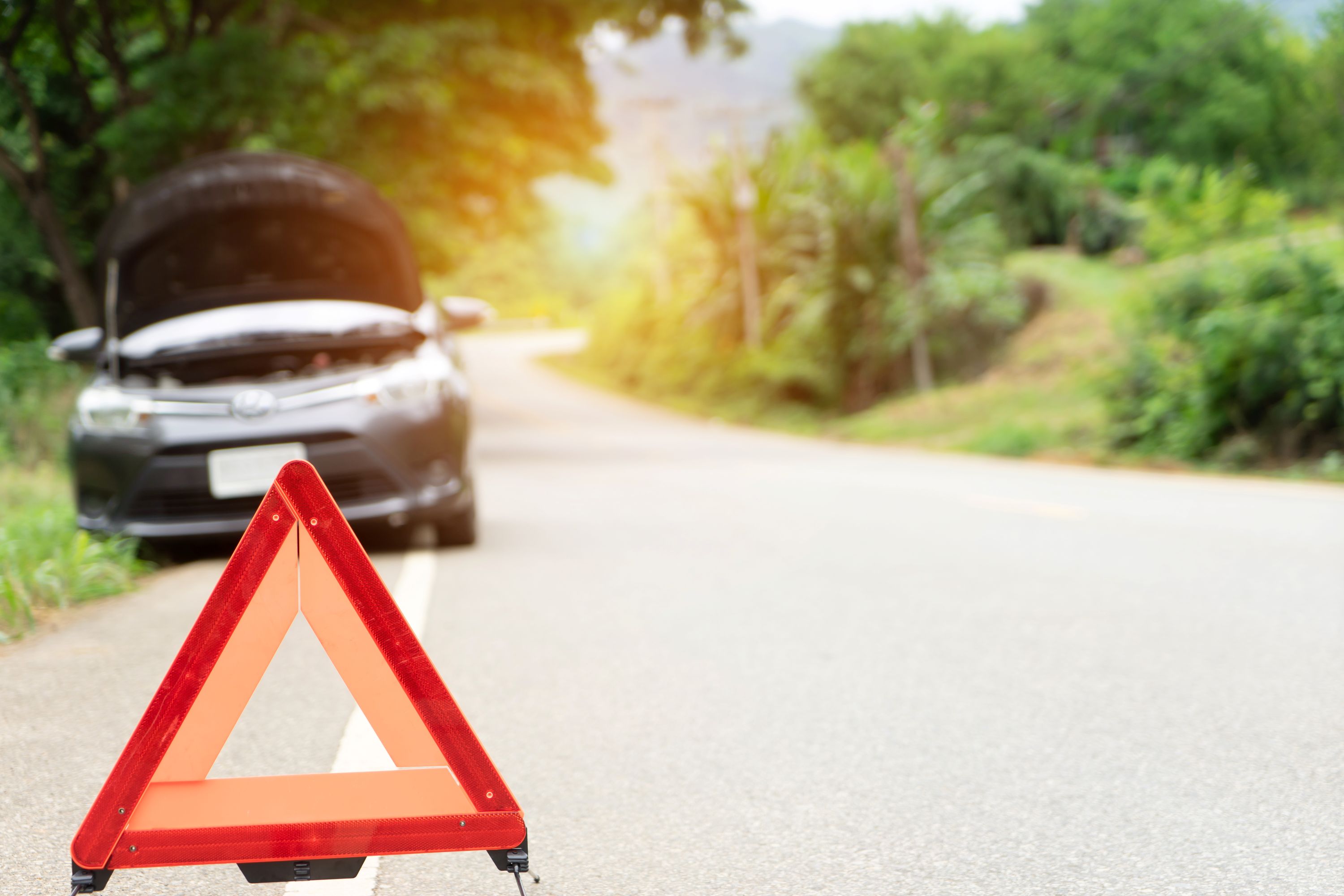
If your car is drivable enough to move safely out of active lanes, do that first. If it’s not, staying visible becomes the priority. Hazard lights, warning triangles if you have them, anything that buys a little more awareness from approaching traffic. It sounds basic, but a surprising number of serious incidents happen simply because oncoming drivers don’t realize what they’re approaching until it’s too late.
When You Call for a Tow, You’re Not Just Calling for a Truck
People sometimes think of towing as a simple service. The truck shows up, the car goes on, and the problem is solved. In reality, there’s a lot happening behind the scenes: equipment, weight distribution, securing points, road positioning, traffic awareness. And when any of those pieces go astray, the consequences aren’t minor.
There are roughly 50,000 hitch-related towing accidents every year, leading to over 20,000 injuries. That’s not all from post-accident tows, but it gives you a sense of how much can go sideways if the setup isn’t right.
It’s one of the reasons we emphasize trained operators and well-maintained equipment. Not because it sounds good on paper, but because small oversights in this line of work don’t stay small for long. Which is a long way of saying this: who you call really matters. Licensed, properly equipped operators reduce a lot of those risks before they even reach the scene. It’s not just about getting your car moved; it’s about how it’s moved, and whether it stays where it’s supposed to.
Equipment Issues: Rare But Real
Most of the time, our equipment does exactly what it’s supposed to do. Like anything mechanical, it really depends on upkeep. Hydraulic systems, suspension components, even something as simple as a belt—if any of these things aren’t regularly checked, failures tend to show up at the worst possible time.
We’ve seen cases where something as small as a worn strap or a missed inspection led to a vehicle shifting mid-transport. In worst-case scenarios, vehicles can come loose entirely. Those incidents don’t always show up cleanly in reports either. There isn’t always a discernable category for tow-related failure, so those incidents get buried in broader accident data.
Location Changes Everything
Not all accident scenes are created equal. A breakdown on a quiet road in Frederick County is one thing, while a disabled vehicle on I-81, especially at night, is something else. In all of these cases, higher speeds make a big difference. Most fatal roadside incidents happen on roads where the speed limit is over 55 mph, and a large portion happen in low-light conditions.
That combination—speed and limited visibility—is where risk for everyone compounds. We’ve had calls where the damage to the vehicle wasn’t bad, but the location made the recovery complicated. This always changes the way we approach the job. Sometimes that means calling for additional support or taking extra precautions that might not seem obvious or necessary to the vehicle owner.
We know that it can be frustrating when you just want the situation resolved quickly, but there’s always a good reason for everything we do.
What We Notice on the Roadside
One thing we’ve learned over the years is that most people don’t think of the towing phase as dangerous. They’re focused on the accident itself, which makes complete sense. This second phase, the time after the crash but before everything is cleared, has unpredictable conditions.
We also notice that people tend to stand closer to the vehicle than they should while it’s being loaded. It’s another natural instinct. You want to stay near your car and keep an eye on things. However, that space around the tow truck is active. Equipment is moving, traffic is passing, and the operator is trying very hard to manage both simultaneously.
In this instance, a little distance goes a long way to keeping you from harm.
So, What Should You Do to Stay Safe?
If you ever find yourself in a post-accident situation, here’s what we suggest:
- Move your vehicle out of traffic and off the road if it’s safe to do so.
- Turn on your hazard lights and increase visibility however you can.
- Call a licensed, reputable towing company.
- Give the operator space to work during the hook-up.
- Stay aware of surrounding traffic, not just your vehicle.
It’s not about doing everything perfectly. It’s just about avoiding the handful of things that we know can regularly cause problems.
A Final Thought From the Tow Truck
At Brian Omps Towing, we’ve retrieved over 100,000 vehicles from the sides of roads in Frederick County and the Winchester, Virginia area. After a time, certain patterns start to appear. Most calls we handle are routine. They start out as ordinary accidents, on normal roads, with people who didn’t expect anything beyond a tow and a ride home. This is the part we’d emphasize the most: just because the crash is over doesn’t mean the risk is.
If you treat that window between the accident and the tow as something that still needs your full attention, you’re already in a better and safer position than most. From where we stand, that makes a difference more often than you’d think. And when you need reliable towing, recovery, or repair service, contact us online or call our 24-hour phone line (540) 517-6632.