.png)


Why Your Car Struggles in Mountain Terrain: 5 Problems Winchester Drivers Ignore Until It’s Too Late
Mountain driving, especially on I-81 near Winchester, is dangerous due to reduced vehicle performance at high altitudes, heavy truck traffic, and increased mechanical strain.

Mountain roads are known for being dangerous to drive, with more injury and fatality accidents occurring on them versus flat rural roadways.
In Virginia specifically, the number of fatal accidents decreased between 2023 and 2025, but the fatality rate remained the same, at 10.5 deaths per 100,000 people. The state is working to make particularly dangerous roadways, like parts of Interstate 81 near Winchester, safer for all drivers.
Contributing to the safety issue is the fact that I-81 was built in the 1960s and 1970s for smaller vehicles, and thus has narrow shoulders, short entrance and exit ramps, and limited merge zones. Today, the interstate carries a high volume of tractor-trailer traffic, making dealing with mechanical failures like those outlined below even more dangerous.
5 Problems Winchester Drivers Shouldn’t Ignore
Being aware of how your vehicle’s mechanics are affected by mountain terrain can help you stay safe when driving on I-81 and similar corridors. So can keeping up-to-date with recalls and other maintenance and repairs, which will help ensure that your car performs at its best when it matters most.
- Loss of Horsepower at Higher Altitudes
One of the main factors affecting your vehicle during mountain drives is the change in altitude. For every 1,000 feet in altitude, gasoline engines lose about 3 percent of their horsepower. This reduction in power translates to a reduced ability to accelerate and other negative effects on overall performance, with non-turbo engines particularly vulnerable.
- Higher Altitudes & a Loss of Towing Capacity
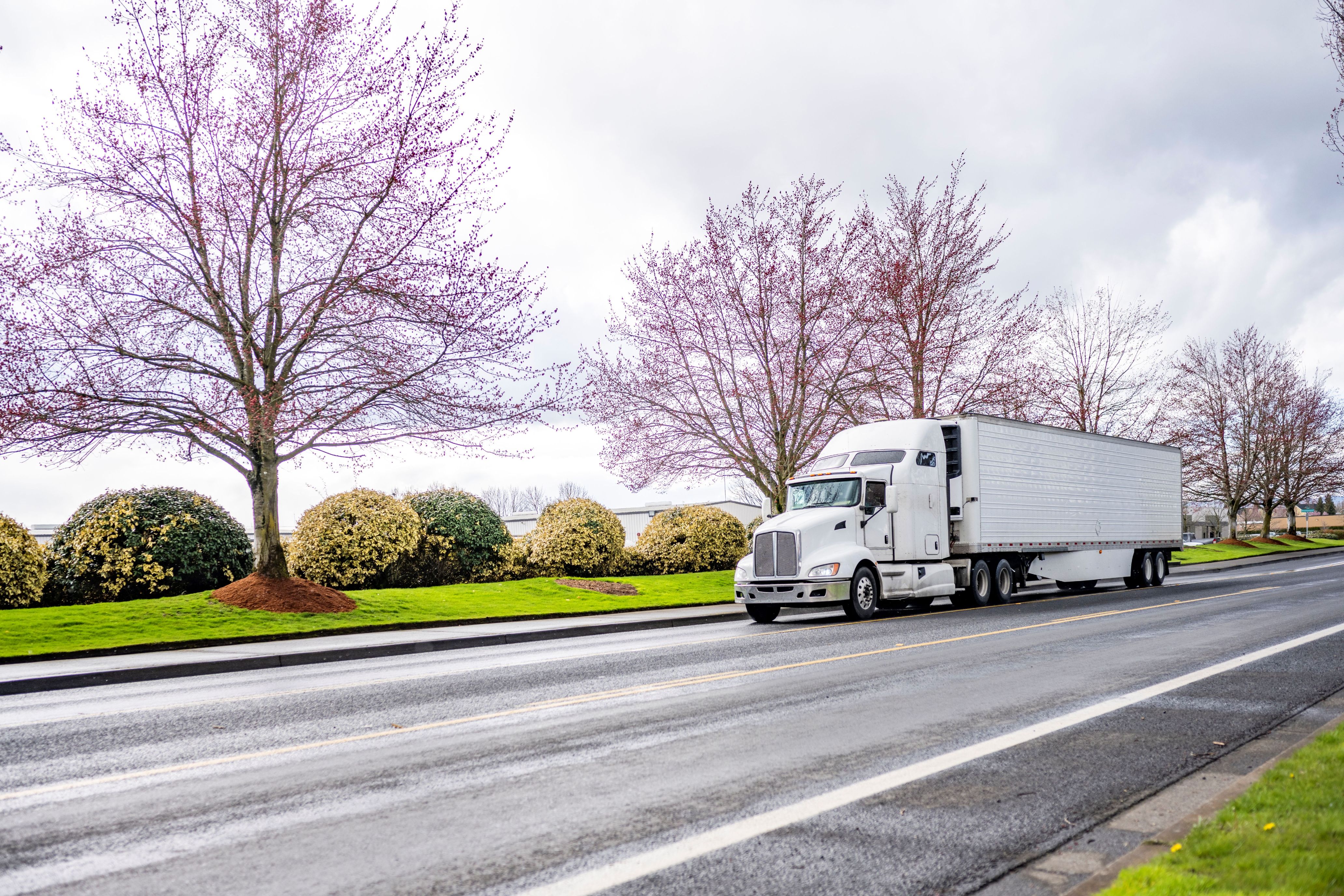
Nearly 12 million trucks carrying $312 billion in goods traverse I-81 through Shenandoah Valley each year. Tractor-trailers make up 40 percent of all traffic on this interstate and are involved in about 25 percent of the more than 2,000 accidents occurring annually.
This makes their loss of towing capacity a concern—something to be aware of for all drivers on this stretch of interstate. Pickup trucks, which are maintaining and even gaining in popularity, also experience this high-altitude effect.
Manufacturers like Chevrolet state in their towing guidelines that towing capacity is reduced by about 2 percent per 1,000 feet in altitude. However, many owners are unaware of this and/or never adjust their loads.
- Increased Overheating Risk on Mountain Terrain
Along with these losses in performance on mountain roads comes a third way that vehicles are affected: an increased risk of overheating.
A recent incident involved a Chevy Silverado carrying a marginal load of 7,000 pounds at an elevation of 9,000 to 10,000 feet on a steep, winding road and traveling at 25 to 30 mph in 95-degree heat. The driver pulled over after the “transmission hot idle engine” warning came on, allowing the transmission to cool from about 275℉ to 250℉, which took 25 minutes. Once back on the road, the truck soon overheated again, requiring another extended stop to cool down.
Loss of power is part of the problem, along with loss of cooling capacity. At 9,000 feet, the boiling point of water drops to about 197.6℉ due to lower air pressure. The cooling air on these climbs is also “thinner” (less dense) and has less heat capacity than at sea level, making radiators and intercoolers less effective just as engines are generating more heat. A case study involving a 1985 Mercedes 300TD illustrated this effect, with the car’s air conditioning working fine in 90℉ at sea level, but with the car overheating when climbing into mountains at 9,000 feet and expelling coolant through the overflow tube.
Winchester drivers should also be aware that an increase in heat waves can exacerbate mechanical issues such as these. A recent national study showed that hot temperatures present serious driving dangers, particularly for drivers on rural roads: Fatal crashes increase by 3.4 percent on heat-wave days, with rural roadways seeing an even bigger increase: 6.1 percent.
One expert advises, “Diesels also build a lot of heat when they are laboring uphill. If you’re going to drive in those conditions often, the best defense is a higher-pressure radiator cap.”
- Decreased Braking Capacity in High-Altitude, Cold Weather
Snow and ice are implicated in over 156,000 vehicle crashes and 1,836 related fatalities in the United States every year. These conditions are more likely at more times of the year on mountain terrain like I-81.
Stopping distances can increase by 10 times in the snow, especially if tires are underinflated, as is often the case in high altitudes and cold weather due to rubber becoming stiffer and air pressure decreasing.
Although slowing down on slushy and snowy roads is smart, with The Weather Channel reporting a 30- to 40-percent reduction in speed by most drivers in these conditions, increased braking can also negatively impact tire and braking performance.
Overloading also contributes to tire underinflation and performance issues.
Finally, modern technology can help keep us safer when driving but also sometimes introduces new issues. For example, a recent recall of Volvo hybrid and electric vehicles warned that certain conditions—such as coasting downhill in regenerative braking mode for a period of time, which would be common on mountain terrain—could cause a complete loss of braking ability. A software installation was required to fix the issue.
- Overall Increased Demand on Vehicle Systems & Increasing Repair Costs
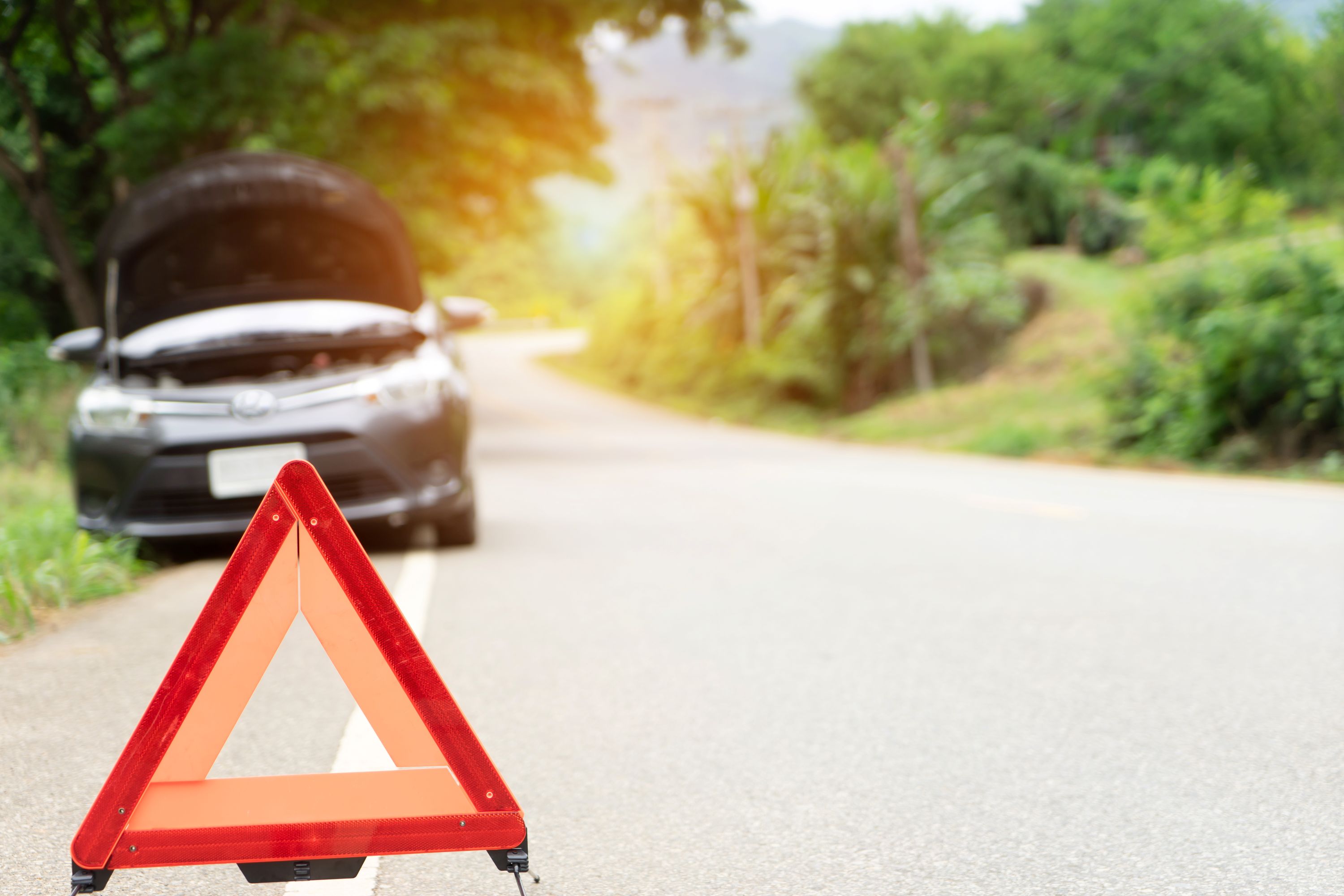
The overall increased demand on vehicles by mountain terrain is often met with increased maintenance and repair needs. However, because the cost of vehicle care is rising, more drivers may be forgoing it. Stalled or broken-down vehicles on I-81 can quickly become a safety hazard.
Annual vehicle maintenance and repair costs increased by 12 percent year over year in 2024, to $1,234, with labor rates averaging $125 to $180 per hour. Head gasket replacement now costs between $3,000 and $5,500 nationally. This can translate to thousands of dollars in repairs for a single overheating event.
In February 2026, vehicle maintenance and repair prices were shown to have increased at more than twice the rate of inflation, year over year (4.9 percent versus 2.1 percent).
Staying Safe While Driving in the Mountains
Taking your car to a professional for regular inspections is one of the best ways to stay safe under consistently impeded driving conditions.
Other safety tips include:
- Ensure that everyone in the vehicle is wearing their seatbelt at all times. In 2025, it became illegal in Virginia for anyone not to be wearing their seatbelt, regardless of age or where seated. This law may have contributed to the decrease in traffic fatalities from 918 in 2024 to 749 in 2025.
- Don’t drink and drive. More than half (58 percent) of all traffic fatalities in Virginia in 2023 involved alcohol impairment.
- Address recalls in a timely manner. Millions of vehicles are on the road with uncompleted recalls, according to 2025 data from the National Highway Traffic Safety Administration, representing about a 56.1 percent completion rate for certain categories.
- Be aware of pull-offs. Virginia’s mountain interstates have more truck escape ramps than any other similar area in the U.S. with reported data.