.png)


Why You’re More Likely to Need a Tow During Summer Events & Holiday Weekends
Summer heat, heavy traffic, and increased travel make summer the busiest season for vehicle breakdowns, with small maintenance issues often turning into costly roadside emergencies.

Brian Omps Towing & Repair has been serving drivers across the Shenandoah Valley long enough to notice a definite pattern: summer creates more roadside trouble than winter for many drivers. Most people think icy roads and snowstorms to be the biggest cause of breakdowns but once Memorial Day rolls around, the calls start stacking up in a very different way.
By July and August, the combination of heat, long-distance travel, stop-and-go traffic, and packed highways creates the busiest towing stretch of the year. AAA has consistently reported that the summer driving season produces the highest roadside assistance calls annually, and from what we see every year along I-81 and throughout the Winchester area, that tracks.
Holiday Weekends Make It Even More Noticeable
Memorial Day, Fourth of July, and Labor Day weekends bring with them a sharp increase in traffic volume across Virginia. More vehicles on the road naturally means more opportunities for problems, but summer breakdowns are rarely caused by one failure alone. Usually, it’s a chain reaction. A weak battery, tires that were already worn thin, and cooling systems pushed harder than normal all lead to problems. When you add in 90-degree heat and a fully loaded SUV climbing hills for several hours, small issues stop being small rather quickly.
The Car Seemed Fine Yesterday
That’s usually true. A lot of summer failures build quietly over time. Heat stresses components long before a driver notices symptoms. Batteries are a good example. People tend to associate dead batteries with freezing winter mornings, but excessive summer heat is often what causes the actual damage internally. By the time colder weather arrives months later, the battery finally gives out. The failure feels sudden, even though the wear started much earlier.
Cooling systems tell a similar story. During the holiday weekends, we regularly see vehicles overheating after extended highway driving or sitting in traffic backups near work zones. Sometimes the driver notices the temperature gauge creeping upward but decides to keep going just long enough to reach the next exit. We understand that instinct. Nobody wants to stop on the shoulder during heavy traffic.
Where Repair Costs Escalate Fast
A tow for a typical passenger vehicle may cost somewhere between $100 and $200, depending on distance and circumstances. An overheated engine that suffers major internal damage can turn into a repair bill in the thousands. We’ve seen situations where what started out as a warning light became a blown head gasket or full engine replacement after another twenty minutes of driving in extreme heat. It’s that sudden escalation that catches most people off guard.
Summer trips are already expensive enough. Families often spend well over $1,000 on road-trip vacations once hotels, gas, food, and event tickets are included. A breakdown in the middle of the trip can suddenly add towing charges, emergency lodging, missed reservations, and a rushed repair job. Sometimes the actual tow is the least expensive part of the problem.
Traffic Volume Changes How Roadside Situations Unfold
Along I-81, summer weekends bring heavier congestion, more trailers, more RVs, and more drivers covering unfamiliar routes. Vehicles are carrying extra passengers, luggage, coolers, camping gear, and sometimes boats or utility trailers. Even well-maintained vehicles operate differently under that kind of load. You can almost feel the strain during prolonged heat waves.
Tires become another major issue at this time of year. Hot pavement and underinflated tires are a rough combination, especially at highway speeds. Drivers don’t always realize that tire pressure fluctuates with temperature changes, and a tire that looked acceptable in spring conditions can become risky during a long July drive. Blowouts during holiday traffic are common enough that many towing and roadside crews can predict the spike before the weekend even starts.
What makes summer towing demand harder now compared to a decade ago is the age of vehicles currently on the road. The average vehicle age in the U.S. has climbed over the past 12 years. Older cars are being asked to handle more intense conditions: heavier traffic, hotter summers, longer drives, and more crowded highways. A cooling hose or radiator that survived several mild seasons may not hold up as well during repeated 95-degree weekends with bumper-to-bumper traffic.
Another thing people don’t think about until they’re already stranded: summer roadside conditions can be dangerous for both drivers and responders. Narrow shoulders, high traffic speeds, distracted drivers, and extreme heat combine to create risks that go far beyond inconvenience. Even a routine tire change becomes more complicated when traffic is flying past at interstate speeds.
This is one of the reasons we encourage drivers to pull over early if they begin to notice warning signs instead of trying to push on farther. Things like strange smells, rising engine temperatures, soft tires, smoke, or a sudden loss of power rarely improve by continuing down the highway. Most of the time, early intervention creates more options and lower repair costs. There’s probably a lesson in that methodology that goes beyond towing.
The other thing we’ve noticed over the years is how often summer breakdowns happen to people who are otherwise prepared. Many drivers do the obvious things to get ready for a road trip correctly. They fill up the tank, pack snacks, check directions, and plan their stops. The thing is, preventative maintenance tends to get delayed because modern vehicles feel reliable, right up to the point when they fail. Cars have become so good at masking their wear and tear until the components flat out fail under stress.
Unpredictability Is Why Summer Towing Demand Continues to Grow Nationwide
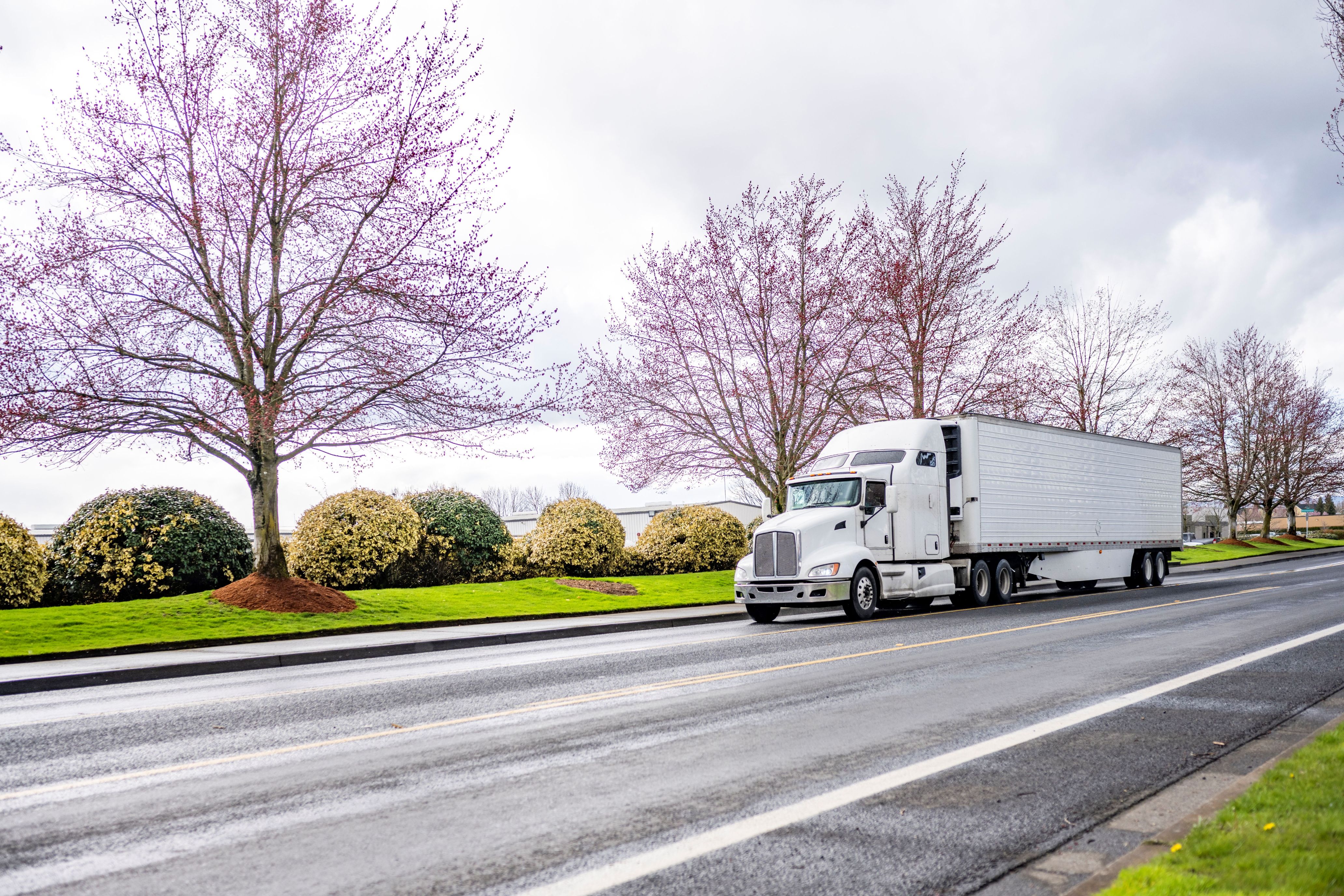
For businesses, fleets, and commercial drivers, the stakes are even higher. Downtime during the busy travel periods affects schedules, deliveries, customer service, and operating costs. A disabled truck on a major route like I-81 doesn’t just affect one vehicle. It can ripple into traffic delays and missed timelines throughout the entire day.
At Brian Omps Towing & Repair, we come across all sides of this during the summer season. We see families trying to salvage vacation plans, commercial operators working against deadlines, and local drivers simply trying to get home safely after a long weekend. Most breakdowns are preventable in hindsight, but very few drivers expect their trip to be the one interrupted.
That’s probably the hardest part about summer roadside issues. They happen during the times people are most focused on getting somewhere. The good news is that a little preparation still goes a long way.
- Check your tire pressure before major trips.
- Monitor coolant levels.
- Test aging batteries.
- Pay attention to warning lights.
This can dramatically reduce the chances of needing roadside assistance during peak travel weekends. Once summer traffic builds and temperatures climb, minor mechanical problems tend to stop being so minor, but we’re always just a phone call away at 540-240-9680.